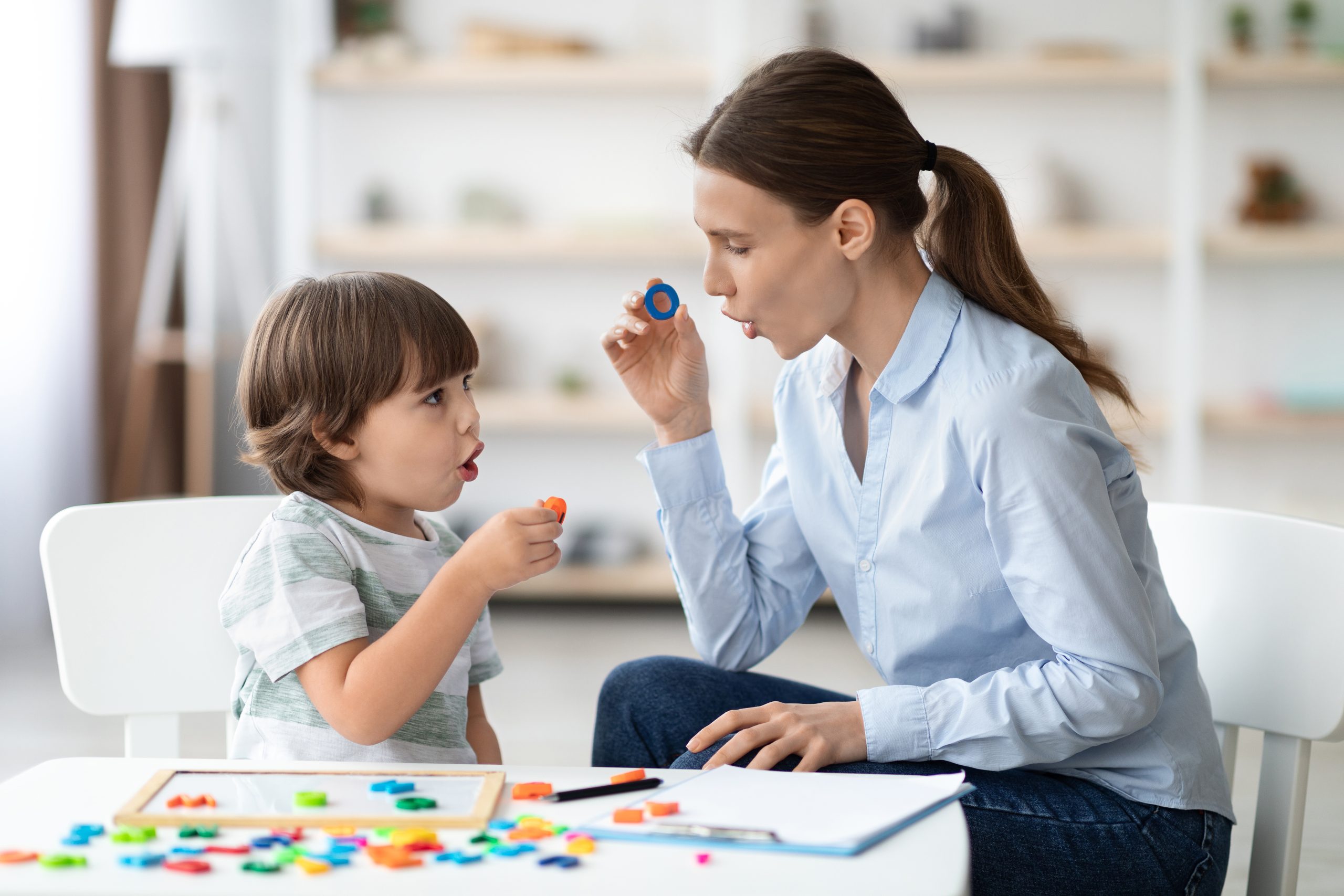
Communication is a fundamental aspect of human interaction, yet it can present significant challenges for non-verbal autistic children. Understanding and implementing effective strategies to enhance communication skills in these children can lead to improved social interactions, reduced frustration, and overall better quality of life. This article explores various communication methods and offers practical tips for educators, therapists, and parents to support non-verbal autistic children in their communication journey.
Understanding Non-Verbal Communication
Non-verbal autistic children may communicate in ways that differ from typical verbal communication. They might use gestures, facial expressions, body language, and other non-verbal cues to convey their needs and emotions. Recognizing and responding to these cues is the first step in supporting their communication.
Picture Exchange Communication System (PECS)
One widely used method for enhancing communication in non-verbal autistic children is the Picture Exchange Communication System (PECS). PECS involves the use of pictures to help children communicate their needs and desires. Here’s how it works:
- Starting with Basic Exchanges: Initially, children are taught to exchange a picture of a desired item with a communication partner in return for that item. This helps them understand the power of communication.
- Building Vocabulary: As children become proficient in basic exchanges, they are gradually introduced to more complex pictures and sentences, allowing them to express a wider range of ideas.
- Encouraging Independence: Over time, the goal is for children to use PECS independently, selecting and combining pictures to form sentences.
PECS can be tailored to each child’s individual needs and interests, making it a versatile and effective communication tool.
Sign Language
Sign language can be another powerful tool for non-verbal autistic children. It provides a visual and kinesthetic way for children to express themselves. Here are some benefits of using sign language:
- Visual Support: Signs are visually distinct and can be easier to understand than spoken words.
- Motor Skills Development: Signing involves motor skills, which can be beneficial for children who enjoy physical movement.
- Bridge to Verbal Communication: For some children, sign language can serve as a bridge to verbal communication, helping them transition from non-verbal to verbal communication over time.
Assistive Technology
Advancements in technology have opened up new possibilities for enhancing communication in non-verbal autistic children. Assistive technology devices, such as speech-generating devices (SGDs) and communication apps, can provide a voice for children who struggle with verbal communication. Here’s how they can be used effectively:
- Customizable Vocabulary: Many SGDs and communication apps allow for customizable vocabulary, enabling children to communicate about their specific interests and needs.
- Interactive Learning: Interactive features can make communication engaging and fun, motivating children to use these tools regularly.
- Portability: Modern devices are often portable, allowing children to communicate in various settings, whether at home, school, or in the community.
Practical Tips for Educators and Parents
Implementing communication strategies requires patience, consistency, and collaboration between educators, therapists, and parents. Here are some practical tips:
- Observe and Respond: Pay close attention to non-verbal cues and respond appropriately. Acknowledge attempts at communication, even if they are not perfect.
- Use Visual Supports: Incorporate visual supports such as schedules, choice boards, and visual timers to help children understand and anticipate activities.
- Create Opportunities for Communication: Set up situations where the child needs to communicate to get what they want. This could be through requesting, making choices, or commenting.
- Be Consistent: Use the chosen communication method consistently across different environments and with different people. Consistency helps reinforce learning.
- Celebrate Successes: Celebrate every step of progress, no matter how small. Positive reinforcement can motivate children to continue developing their communication skills.
Conclusion
Enhancing communication skills in non-verbal autistic children is a journey that requires dedication, creativity, and collaboration. By utilizing methods such as PECS, sign language, and assistive technology, and by following practical tips, we can support these children in finding their voice. Every child has a unique way of communicating, and by understanding and embracing these differences, we can help them thrive in their interactions with the world around them.